
Château LÉOVILLE LAS CASES
Classification:
Deuxième Cru Classé, St.-Julien AC (Second-growth in 1855).
Average Production:
18,000 cases of grand vin annually.
Recent En-Primeur prices:
2008 - approx A$250 - $290
2007 - approx A$275 - $325
2006 - approx A$375 - $450
2005 - approx A$625 - $700
2004 - approx A$200 - $240
Overview:
Léoville Las Cases well-deserves its reputation for producing St.-Julien’s most refined, powerful and long-lived wine, and rightly considered (along with Cos d’Estournel in my opinion) as the Médoc’s candidate for promotion to first-growth, should a revision ever eventuate (which it won’t!).
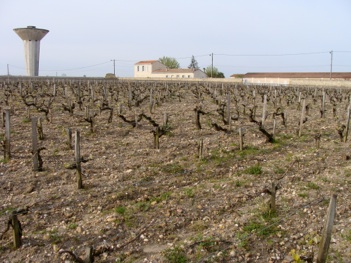
Inevitably expensive (the tier below the firsts in any given year) yet at least as reliable, and characteristically balanced and refined, with wonderful purity, power and structure. Yet as admirable as it is, it seems to lack just a touch of excitement or ‘wow’ factor. It’s imposing walled vineyards are literally next door to Latour, on the Pauillac/St.-Juilen border, and in perfect view of the Gironde. A model of consistency, LLC inevitably delivers top-quality to it’s purchasers and will never disappoint.
Other wines:
Clos du Marquis (from a seperate vineyard further inland within St.-Julien)
Le Petit Lion (second wine, from 2009 onwards)
Click here for tasting notes.
Vineyards:
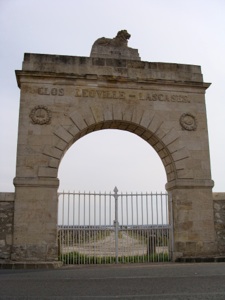
Approximately 68 hectares, planted to a varietal mix of 65% Cabernet Sauvignon, 20% Merlot, 12% Cabernet Franc and 3% Petit Verdot. Superbly-sited, running alongside the D2 and enclosed by an impressive wall (with even more imposing gates), LLC stretches from the village of St.-Julien to the border with Pauillac, adjoining Latour’s revered vineyard, l’Enclos.
Las Cases’ history can be traced back to the mid 17th century (the creation of the Léoville estate) then named Mont-Moytié, which was in reality
little more than a small mound surrounded by swamp (which regularly flooded). After the creation of the Léoville estate, portions were removed as various family inheritances required which became the Barton and Poyferre estates, yet Las Cases remained, centred upon Le Grand Clos vineyard.
Winemaking:
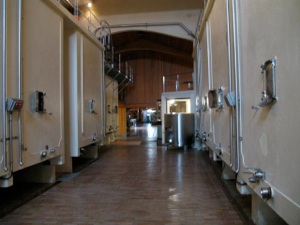
There is a wonderful mix of vessels, acquired over many years, used today to produce the wines at
Las Cases. Fermentations last for between two and four weeks, and take place in a variety of concrete, stainless steel and wooden vats. The wine also completes its malolactic fermentation in steel and concrete. Remontage occurs twice daily, and the wine is blended after it completes malolactic fermentation. The wine is aged in oak barrels for anything from one to two years, depending on vintage, generally 65% of which is new. The barrels are made by eight different coopers, and are a combination of medium and medium-plus toast.
The wine undergoes a light egg-white fining, and is bottling unfiltered. From 2004 Las Cases has engraved bottles (to better prevent fraud).